
Homeowners are rethinking how they use their lower-level spaces. A thoughtful approach to basement finishing in Lancaster, PA, can transform an unused basement into a functional and visually appealing extension of the home. With modern design trends and expert planning, a finished basement becomes more than an extra room. It becomes a versatile, comfortable, and valuable part of your property.
Families want spaces that support entertainment, work, wellness, storage, and connection. This growing demand has increased the need for professional planning, quality craftsmanship, and design-focused solutions. Many people start their projects by searching for basement finishing near me in Lancaster, PA, which connects them with local contractors who are familiar with the area’s home styles and building needs.
The quality of the remodel depends heavily on the team you choose. Experienced Basement finishing contractors in Lancaster, PA, offer structured project planning, reliable communication, and safe installation methods. Their work ensures that the space is a long-term asset rather than a temporary upgrade. For homeowners seeking functionality and style, a well-planned basement remodel in Lancaster, PA, is one of the smartest home investments today.
Work with Design-Focused Basement Specialists
Why Modern Design Matters in Basement Remodeling
Design sets the tone for how the basement will feel and function. A well-designed basement increases comfort, supports lifestyle needs, and makes the space visually consistent with the rest of the home. Homeowners trust basement finishing contractors in Lancaster, PA, because they understand local architecture and modern design trends.
A strong design plan focuses on layout, lighting, ceiling treatments, storage planning, and material selection. These elements work together to create a bright, spacious, and comfortable environment. Without proper planning, basements often feel dark, cramped, or disconnected from the main floors.
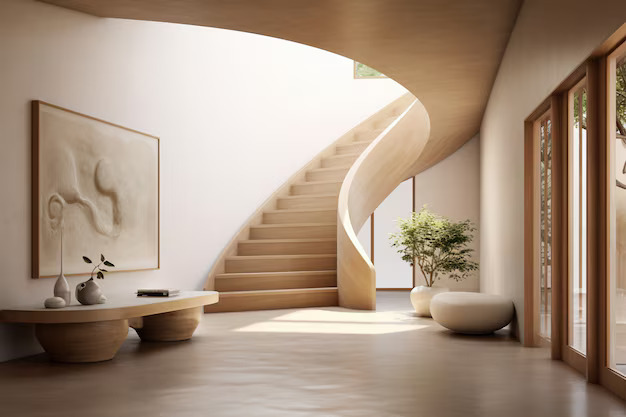
Modern basement designs prioritize clean lines, warm tones, moisture-resistant materials, and flexible layouts. These choices help the basement support multiple uses over time. Good design is not about adding expensive features. It is about making smart decisions that improve the atmosphere, durability, and value of the space.
Many design decisions also affect safety. Contractors inspect foundation walls, electrical systems, ceiling height, and moisture patterns before construction begins. This prevents future issues and ensures your remodel aligns with building regulations.
Get clear pricing, timelines, and material options by requesting a free estimate today
Current Design Trends That Elevate Basement Spaces
Trends have shifted from basic drywall and carpet to more refined and functional spaces. Homeowners want basements that feel like part of the main home rather than an afterthought.
-
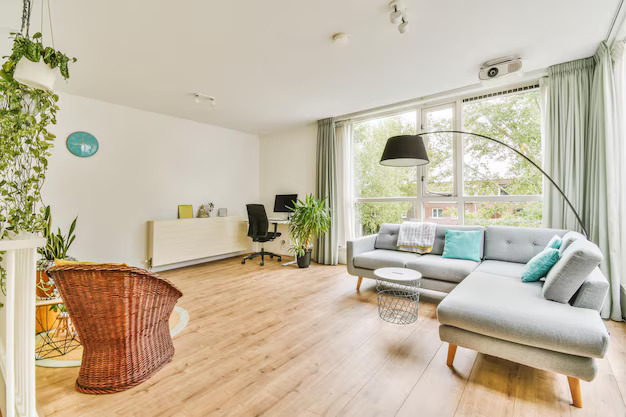
Open Concept Layouts: Open layouts make the basement feel larger and more flexible. Removing unnecessary walls improves movement, increases natural light, and creates a smooth flow between different zones. This trend works well in entertainment spaces and family lounges.
-
Warm Color Palettes: Warm neutrals, soft whites, beige tones, and earthy shades create a welcoming environment. These colors reflect light and brighten the atmosphere. Contractors use these palettes to create consistency between the basement and upper levels.
-
Durable Flooring Options: Luxury vinyl flooring is a top choice because it resists moisture and feels comfortable underfoot. Tile is preferred for bathrooms and bar areas. Carpet adds sound control in lounges, theaters, and bedrooms.
-
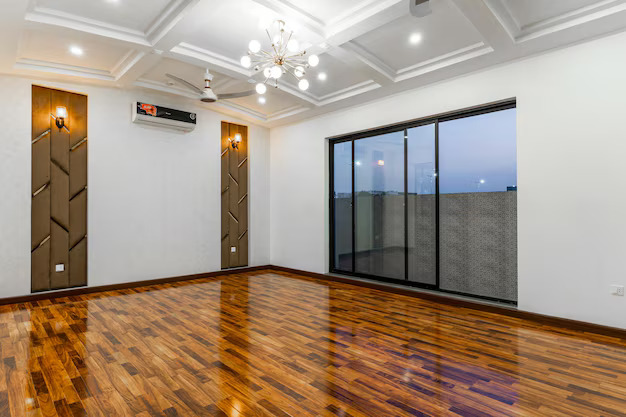
Statement Ceilings: Homeowners are choosing creative ceiling solutions. Painted joists create an industrial look. Drop ceilings offer a clean and accessible finish. Wood accents add warmth and elevate the design.
-
Layered Lighting: Basements rarely receive enough natural light. Layered lighting fixes this problem with a mix of recessed lights, wall sconces, lamps, and LED strips. This brightens the basement and eliminates dark corners.
Build a Basement That Fits Your Lifestyle
Specialty Rooms That Add Purpose and Value
A finished basement becomes more valuable when it supports lifestyle needs. Many homeowners add dedicated zones to improve comfort and functionality.
- Home Theater Rooms: Home theaters bring the cinema experience home. Comfortable seating, wall panels, recessed lights, and sound control create a relaxing entertainment space. These rooms increase the appeal of a basement remodel in Lancaster, PA, for families who love movies.
- Guest Suites: Guest rooms offer privacy for visitors. When combined with a small bathroom, the basement becomes a fully functional living zone. This feature increases home value and convenience.
- Home Offices: Remote work has increased demand for quiet, private office spaces. A basement office provides a distraction-free environment. Built-in storage keeps the area tidy and efficient.
- Home Gyms: Home gyms allow families to exercise without leaving the house. Rubber flooring, mirrors, and ventilation create a functional environment. Gyms remain one of the most popular basement additions.
- Kids Play Zones: Parents want safe spaces for children to play and learn. Soft flooring, organized storage, and open layouts make the basement ideal for families with young children.
Planning a Basement Remodel Step by Step
A successful project begins with planning. If you’re planning a transformation, explore our website to see how modern design turns unused space into livable value. With proper guidance from basement finishing contractors in Lancaster, PA, each step becomes clear and organized.
1. Assess the Condition of the Basement
Contractors inspect structural elements, walls, moisture patterns, and ceiling height. This assessment ensures the remodel is safe and feasible. It also helps determine necessary repairs before design begins.
2. Define the Purpose of the Space
Your intended use guides the entire design. A home office requires different lighting than a home theater. Multi-purpose basements need flexible layouts.
3. Plan the Layout
A good layout maximizes space and improves natural flow. Designers consider furniture placement, traffic paths, and storage needs. This planning reduces clutter and improves comfort.
4. Prioritize Moisture Control
Moisture is the most common basement issue. Contractors use sealing, French drains, sump pumps, and vapor barriers to protect the space. This step prevents damage and ensures long-term durability.
5. Choose the Right Materials
Basements require moisture-resistant materials. Vinyl flooring, treated wood, mold-resistant drywall, and insulated ceilings are recommended. These materials improve energy efficiency and comfort.
6. Plan Electrical and Lighting Needs
Lighting shapes the atmosphere of the basement. Dimmer switches add flexibility, while task lights support offices and hobby rooms.
7. Ensure Strong Ventilation
Basements need proper airflow. HVAC adjustments and vent placements help in maintaining fresh air and a consistent temperature.
8. Finalize the Design
At this stage, homeowners select colors, finishes, fixtures, and furniture. Designers help align the aesthetic with practical needs.
Budgeting for a Design-Focused Basement Transformation
Budget varies based on design choices and project size. The average investment for basement finishing in Lancaster, PA, depends on materials, labor, specialty rooms, and custom work.
Typical Cost Factors Include:
-
Flooring type
-
Drywall and framing
-
Ceiling design
-
Electrical upgrades
-
Lighting packages
-
Bathroom additions
-
Bar or kitchen areas
-
Custom storage
High-quality materials cost more but provide long-term value. Cheaper materials may require replacement sooner, lowering property value.
Contractors help homeowners balance quality and budget. A detailed estimate prevents surprise costs and supports clear planning.
Choosing the Right Contractor
The project depends on the selected contractor. Professionals offering basement finishing near me in Lancaster, PA, bring local knowledge and experience that support successful remodels.
What to Look for in a Contractor:
-
Valid licensing and insurance
-
Experience with basement projects
-
Transparent pricing and timelines
-
Written contracts
-
Portfolio of previous work
-
Customer reviews
-
Knowledge of safety and code requirements
Skilled teams understand structural and design needs. They handle building permits, inspections, material procurement, and final finishing. Working with trusted basement finishing contractors in Lancaster, PA, ensures the basement is safe, beautiful, and durable.
If you want direct involvement and regular updates, choose basement finishing contractors near me in Lancaster, PA, who prioritize communication and client participation. For design inspiration and real-world basement layouts, explore modern basement ideas on Houzz
Conclusion
A design-driven approach to basement finishing in Lancaster, PA, transforms an unused space into a comfortable and stylish addition to your home. With the right planning, materials, and contractor support, your basement can serve as an entertainment zone, wellness area, office, guest suite, or family lounge. The right remodeling plan ensures your basement remodel becomes a durable and beautiful extension of your home, delivered through trusted basement finishing contractors in Lancaster, PA, who understand your needs.
Book a consultation now with our trusted contractors
Frequently Aksed Questions
Q. How long does basement finishing typically take?
A: Most basement finishing projects take 8–12 weeks, depending on size, complexity, and material availability. Larger or custom projects, such as home theaters or gyms, may take up to 16 weeks. A reputable contractor provides a detailed timeline with milestones and regular updates.
Q. Does basement finishing add property value?
A: Yes, a finished basement can significantly increase resale value, often yielding a 10–30% return on investment. It adds extra living space for entertainment, offices, guest suites, or gyms, which buyers highly value. Modern and functional designs further enhance both appeal and marketability
Q. What is the most durable basement flooring?
A: Luxury vinyl plank (LVP) is moisture-resistant, durable, and ideal for multi-purpose basements. Tile works best in bathrooms or wet areas, while carpet is suited for home theaters or bedrooms for comfort and sound absorption. Proper subfloor preparation ensures longevity for all flooring types.
Q. Do basements need insulation?
A: Yes, insulation stabilizes temperature, improves energy efficiency, and increases comfort. It helps reduce heat loss from the main living areas and minimizes moisture effects. Common options include rigid foam, spray foam, or fiberglass batts, chosen based on wall type and moisture levels.
Q. Can I add plumbing for a bathroom or sink?
A: Yes, plumbing can be installed during a remodel with proper planning, permits, and inspections. It requires careful integration with drainage, venting, and the main sewer line. Adding bathrooms or wet bars improves basement functionality and overall home value.
Q. How do I keep the basement feeling open?
A: Open layouts, light wall colors, and layered lighting help maximize visual space. Minimal furniture, multifunctional pieces, and ceiling treatments such as raised or coffered ceilings enhance openness. Mirrors and glass accents are reflective surfaces that visually expand the room.