
Many homeowners struggle with high energy bills even after upgrading windows or HVAC systems. What they often miss is the basement. Poor basement insulation quietly drains energy every day, forcing heating and cooling systems to work harder than they should.
Basements act as thermal anchors for the entire home. Inadequate insulation causes heat to escape in the winter and humidity to increase in the summer. Without obvious warning signs, this raises monthly utility costs and impacts comfort on every floor.
BasementFinishing.net helps homeowners understand how basement insulation directly impacts comfort, efficiency, and long-term home value. Insulation is one of the most important considerations when finishing your basement in Lancaster, PA.
Why the Basement Plays a Major Role in Energy Loss
Heat naturally moves toward cold areas. In winter, warm air from the main living spaces moves down into the basement if the insulation is weak. Warm, humid air rises from the basement into the upper floors during the summer.
When a basement is poorly insulated, the entire house becomes harder to regulate. HVAC systems run longer cycles, rooms feel inconsistent, and energy usage increases.
Even unfinished basements affect energy bills. Finished basements with poor insulation make the problem worse by trapping temperature imbalances behind walls and ceilings.
Common Basement Insulation Mistakes That Increase Energy Costs
Homeowners frequently overlook hidden basement insulation mistakes, failing to link them to unusually high energy bills. According to the U.S. Department of Energy, basements account for up to 10–15% of total household energy loss if not properly insulated.
Common issues include:
- Missing wall insulation: Bare concrete or cinder block walls transfer heat rapidly, adding to energy consumption.
- Improper insulation materials: Fiberglass batts that lack vapor barriers or are not rated for subterranean use can absorb moisture, reducing their thermal performance.
- Unsealed rim joists: Rim joists are one of the largest sources of heat loss in a home, allowing cold air infiltration.
- Gaps behind completed walls: When insulation is installed incorrectly behind drywall, heat escapes through these spaces.
- No thermal separation between basement and main floors: Without a thermal break, conditioned air from living spaces leaks into the basement.
Each of these errors silently increases HVAC energy consumption by causing constant heat gain in the summer and loss in the winter. Over time, this can add hundreds of dollars per year to utility bills.
BasementFinishing.net, one of the reliable basement finishing contractors in Lancaster, PA, frequently encounters finished basements that appear appealing but are cold and uncomfortable due to inadequate insulation planning. They help homeowners avoid costly insulation mistakes.
How Poor Insulation Overworks Your HVAC System
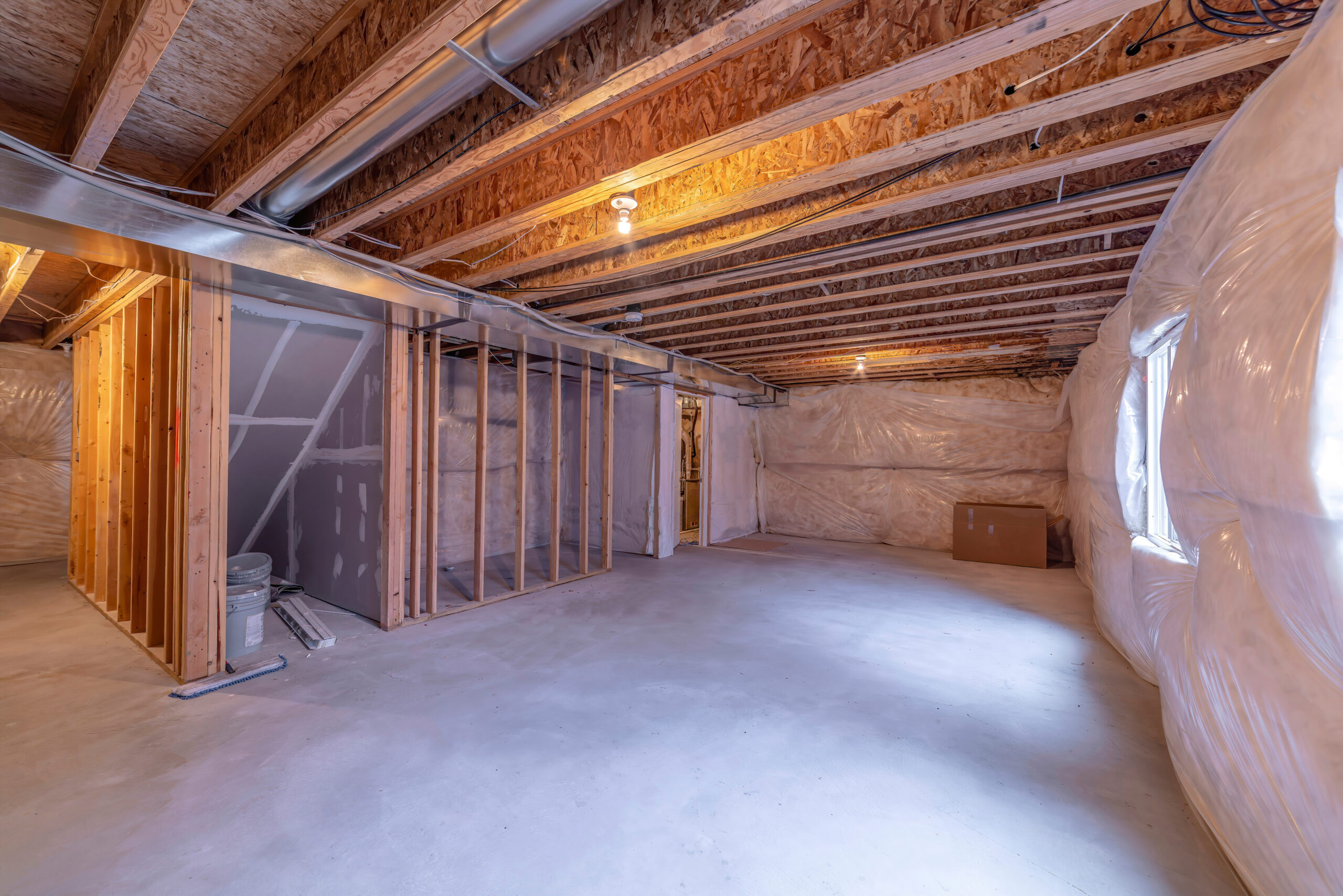
Basement insulation directly impacts HVAC efficiency. When a basement leaks cold air in winter, furnaces must run longer to maintain temperature settings on upper floors. In summer, humid air rising from a poorly insulated basement forces air conditioners to work harder to remove heat and moisture.
This imbalance leads to:
- Higher energy bills: HVAC runtimes increase by 15–25% in poorly insulated homes.
- Uneven temperatures: Some rooms stay cold while others overheat.
- Accelerated HVAC wear: Systems cycle more frequently, reducing lifespan.
Even high-efficiency HVAC systems cannot perform optimally if basement insulation is inadequate. According to the Department of Energy, combining proper insulation with air sealing can cut HVAC energy usage by 10–20% annually.
Rim Joists and Foundation Walls Are Major Energy Leaks
Rim joists are frequently overlooked in basement insulation but represent a significant source of heat loss. These areas sit between the foundation and framing, allowing cold air to enter and warm air to escape.
Foundation walls are another major problem. In the absence of adequate insulation, concrete and masonry act as thermal bridges due to their inherent ability to conduct heat. The basement and upper floors become colder in the winter as a result of this drawing heat from the rest of the house.
To avoid ongoing energy loss, any proper basement remodel in Lancaster, PA, should always include rim joist sealing and wall insulation. Materials such as closed-cell spray foam or rigid foam panels are highly effective in these areas.
Why Finished Basements Still Feel Cold
Many homeowners are surprised when a finished basement still feels chilly. Common causes include:
- Cold concrete behind drywall: Even with drywall, heat transfers through uninsulated walls.
- Floors without thermal barriers: Concrete slab floors without insulation radiate cold into the living space.
- Poor ceiling insulation: Heat from upper floors escapes through poorly insulated ceilings.
As a result, homeowners often raise the thermostat, which drives up energy costs throughout the home.
Professional basement finishing contractors near me in Lancaster, PA, design insulation systems that maintain consistent year-round temperatures.
How Proper Insulation Reduces Energy Bills
Correct basement insulation slows heat transfer, stabilizes indoor temperatures, and reduces strain on HVAC systems. Benefits include:
- Lower heating and cooling demand: less energy is required to maintain comfortable temperatures.
- Even temperatures: Improved comfort throughout all levels of the home.
- Better humidity control: Reduces moisture accumulation and mold growth.
- Longer HVAC system life: Less frequent cycling prevents wear and tear.
Homeowners who invest in proper insulation during basement finishing in Lancaster, PA, often notice immediate comfort improvements and long-term energy savings of hundreds of dollars per year.
Proper insulation makes the difference. Start with BasementFinishing.net.
Insulation and HVAC Integration Must Work Together
Insulation is most effective when combined with appropriate HVAC design. Without adequate ducting, returns, or airflow balancing, even a well-insulated basement can feel uncomfortable.
HVAC integration ensures:
- Conditioned air circulates correctly, preventing hot or cold spots.
- Pressure imbalances are minimized, preventing drafts and energy waste.
- The basement keeps the whole house comfortable by acting as a real living area.
BasementFinishing.net combines HVAC and insulation systems to make the basement comfortable and energy-efficient throughout the year.
How Poor Insulation Hurts Resale Value
Buyers are increasingly energy conscious. Homes with cold basements, drafty floors, or high energy bills are less appealing.
A finished basement that makes buyers uncomfortable reduces perceived home value. On the other hand, energy-efficient basements with proper insulation:
- Sell faster
- Command higher prices
- Signal high-quality construction
Insulation is a top priority for Lancaster, Pennsylvania, basement finishing contractors that improves comfort and resale value.
When to Upgrade Basement Insulation
Upgrading insulation before finishing is crucial for cost-effectiveness and efficiency. After sealing the walls, altering them can incur significant expenses and complications. Proper insulation installation at this stage ensures optimal thermal performance and minimizes future energy costs.
Indicators that you need to upgrade your insulation include experiencing cold floors, noticing uneven temperatures throughout the space, receiving unexpectedly high energy bills, feeling drafts near the basement ceilings, and detecting damp air.
Addressing insulation during a basement remodel in Lancaster, PA, prevents ongoing energy waste.
Professional Basement Insulation Matters
Basement insulation is not a one-size solution. Material selection, placement, and sealing techniques matter.
Experts understand how moisture affects buildings, the rules that must be followed, and how heat behaves below ground. This knowledge helps avoid errors that often happen with do-it-yourself projects.
If you are considering basement finishing contractors in Lancaster, PA, professional insulation planning is essential.
Frequently Asked Questions
Does basement insulation really affect energy bills?
Absolutely. Because basements are below grade and in direct contact with soil, which conducts heat in the summer and cold in the winter, they are important sources of heat gain and loss. Poor insulation allows warm air to escape into the foundation and cold air to rise into living areas, forcing furnaces and air conditioners to run longer. Proper insulation reduces heat transfer through walls, floors, and rim joists, lowering HVAC runtime and directly decreasing energy bills.
What type of insulation works best in basements?
A: The best basement insulation must be able to withstand below-grade conditions, temperature changes, and moisture. Closed-cell spray foam is highly effective because it both insulates and acts as a vapor barrier, reducing condensation and moisture risk. Rim joists should be insulated with spray foam or cut-to-fit rigid foam to prevent air leaks. Insulation choice depends on wall type, climate zone, and whether the basement will be finished or unfinished.
Can insulation fix a cold finished basement?
Yes, in most cases. Cold finished basements often result from missing wall insulation, poorly sealed rim joists, or insufficient floor/ceiling insulation. Correctly installed insulation reduces heat loss through foundation walls and floors, stabilizes indoor temperatures, and prevents cold drafts.
Is basement insulation worth the investment?
Definitely. According to Energy Star estimates, professional insulation lowers energy consumption by 15–25%, despite the initial installation costs. It also improves comfort, prevents moisture and mold issues, and protects the finished materials from long-term damage. Proper insulation is considered a high return on investment during home resale; Energy Star notes that energy-efficient basements can increase home value by 2–5% and make the property more appealing to buyers concerned with energy costs and comfort.
Should insulation be installed before or after finishing the basement?
Insulation must always be installed before finishing. Upgrading insulation becomes costly and disruptive once walls, ceilings, and floors are closed. Installing insulation first allows for proper placement, full coverage of foundation walls and rim joists, and seamless integration with HVAC systems. Additionally, it enables the use of high-performance materials without harming drywall or flooring, such as rigid foam panels or closed-cell spray foam.